medialepfade.org
non-profit-organization for media education

We advocate for an open, just, and solidarity-based digital society. Through participatory educational formats, we empower children, adolescents, and multipliers to critically question and shape digital technologies independently. We analyze digital power structures, expose misinformation, and develop innovative concepts for equitable access to media and education. Our work is open, experimental, and practice-oriented – always with the goal of strengthening political maturity and societal participation.
Non-Profit Organization
Founded in 2013
Based in Berlin
25 employees
2 locations in Berlin
Our Vision
Our Vision
Implementation
Implementation

At the intersection of political media education & net culture education

primary target group:
young people under 27 years.

within the digital lifeworlds of the target group

Strengthening self-determined, experimental use of digital technologies
Expansion & Support
of digital participation processes
Support & Networking of Civil Society Initiatives
Innovative educational approaches and methods for extracurricular, non-formal educational settings
Our Specializations
Our specialization
- Prevention of online radicalization
- Democracy on platforms !?
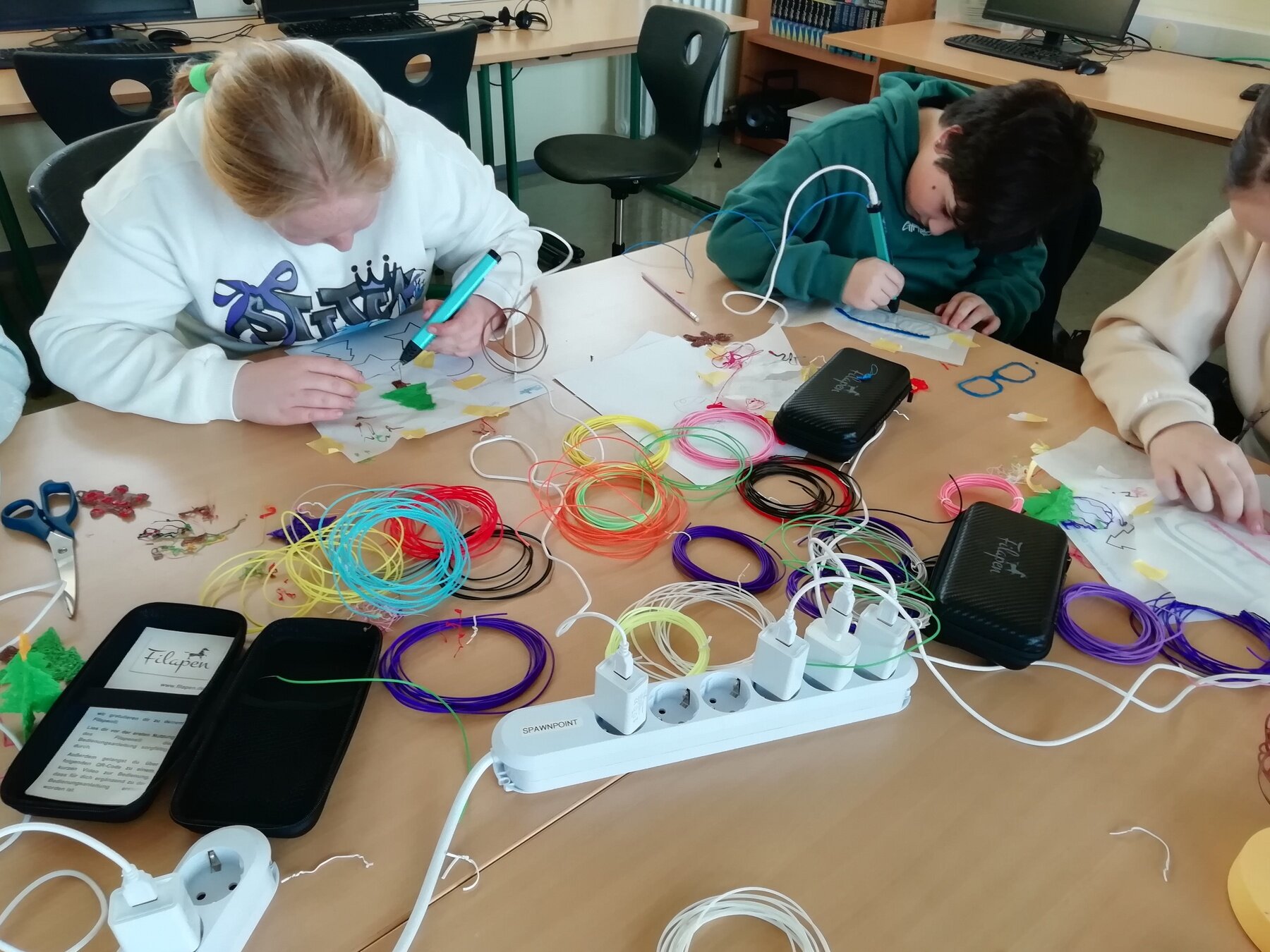
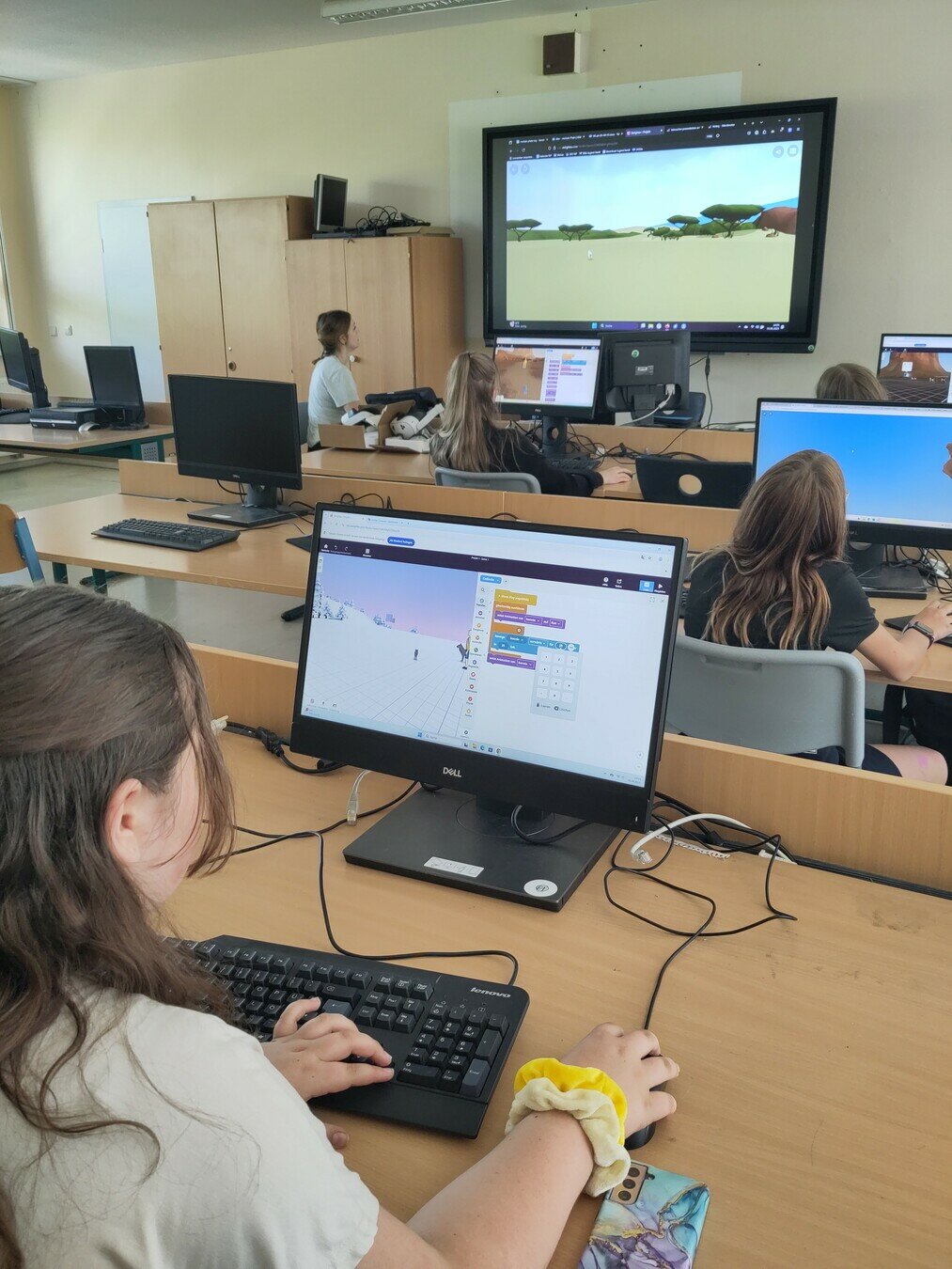
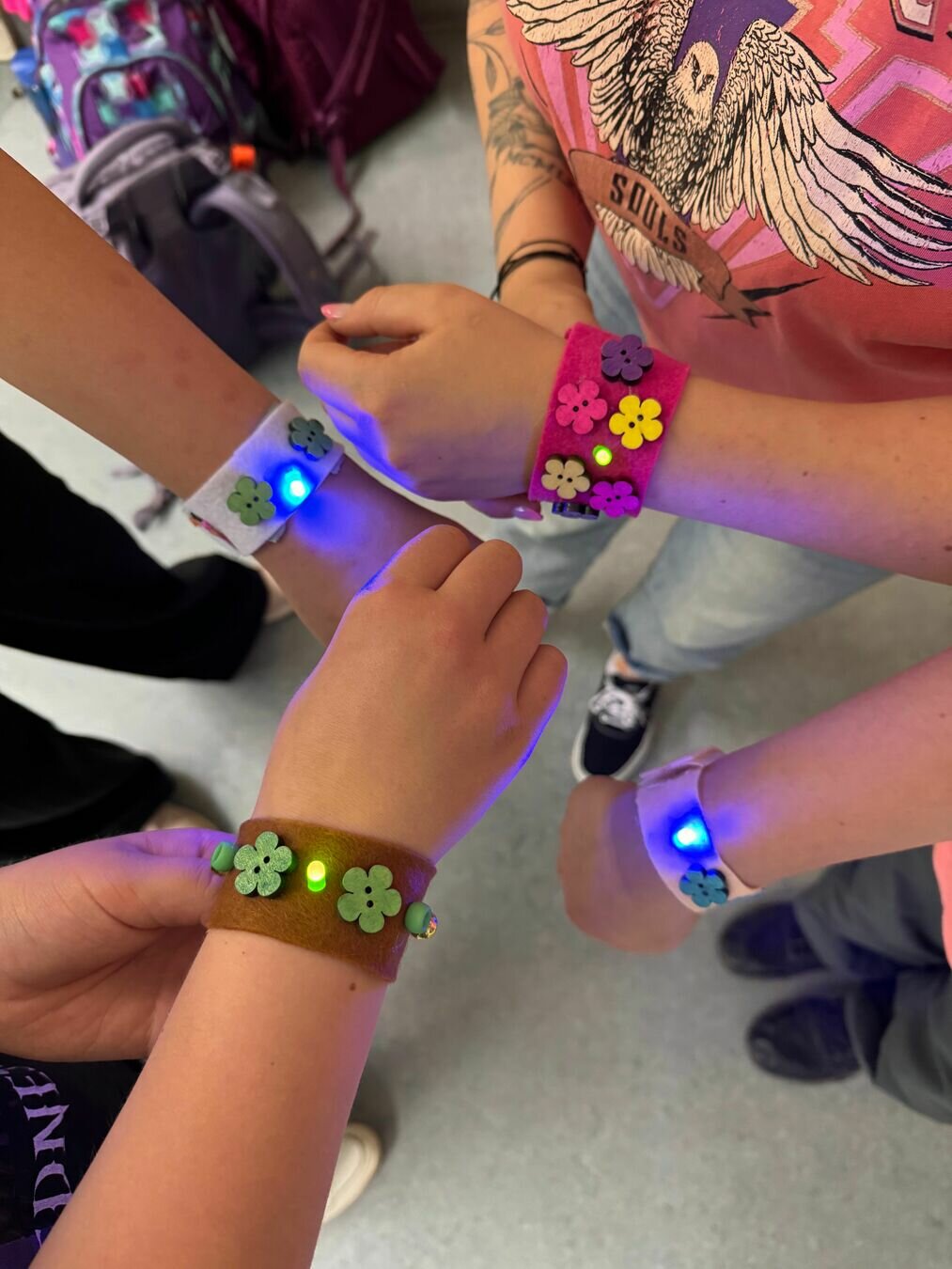
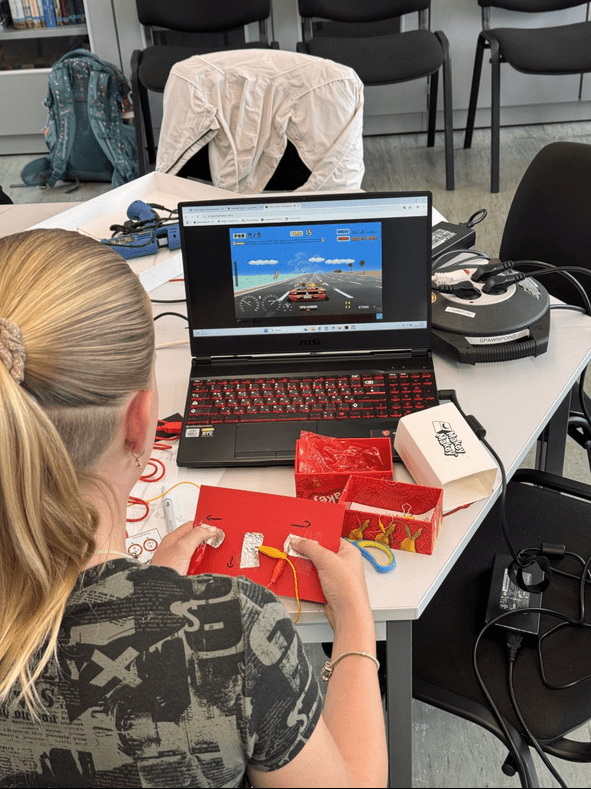
- Making, Coding and Gaming as media education practice
Our Specialization
Our specialization
- Media education workshops (target group: from 12 years) and training (for educational professionals)
- Focus topics: Online strategies of the new right, antisemitic conspiracy narratives on the internet, antifeminism and queer hostility on social media, racism on social media, recognizing disinformation and hate speech
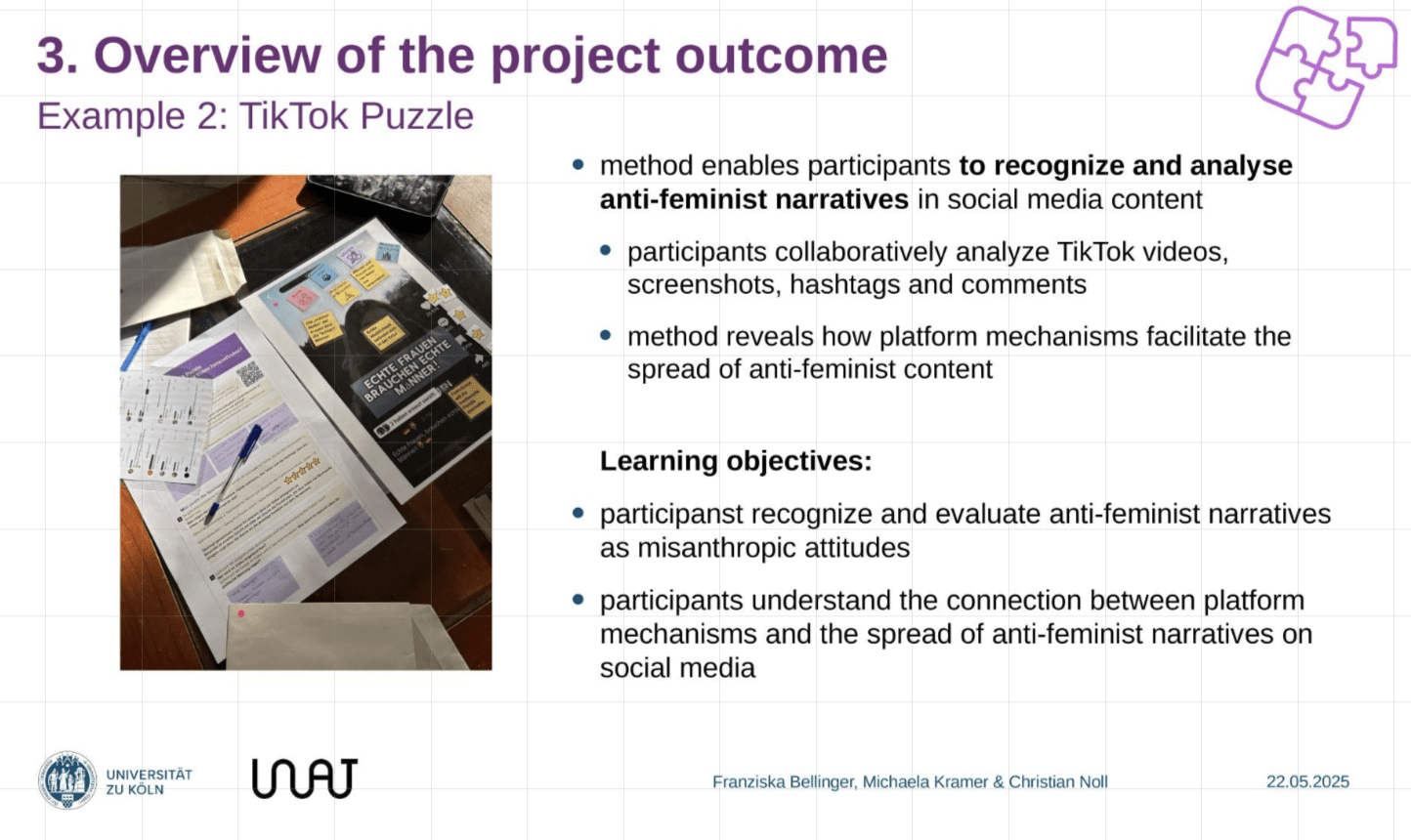
- Critical analysis of content and online strategies of anti-democratic actors exploiting the functionalities of social media and algorithmic recommendation systems
- Development of action options and active media production
Prevention of online radicalization

Our Specialization
- We are shaping discussions with civil society organizations on the question:
- How can democratic content become more visible on social media?
- We support democratic actors in making informed decisions about their platform strategies: – What do we need to know about internet culture and platform logics to be able to act?
Democracy on the platforms !?
Our offer for civil society organizations:
-
Training, networking, and consulting on:
-
Digital culture trends & usage habits
-
Aesthetics, formats, and interaction logics
-
Platform mechanisms & algorithmic recommendation systems
-
Community management & responding to hate speech
-
Producing content that promotes democracy
-
Opportunities & potentials of alternative platforms
-
Our Specialization

Our Specialization
Making, Coding and Gaming as media education practice

- We operate the Media Competence Center Lichtenberg
- Linking youth participation and media education
- Identifying everyday challenges together with young people – and developing creative solutions using media and technological means
- Not only using media but also understanding it (“Behind the screen, behind the tech” – with a technological and power-critical perspective)
- Targeted formats for specific target groups and regions:
- girls and queer youth
- rural areas in Germany
Our Specialization

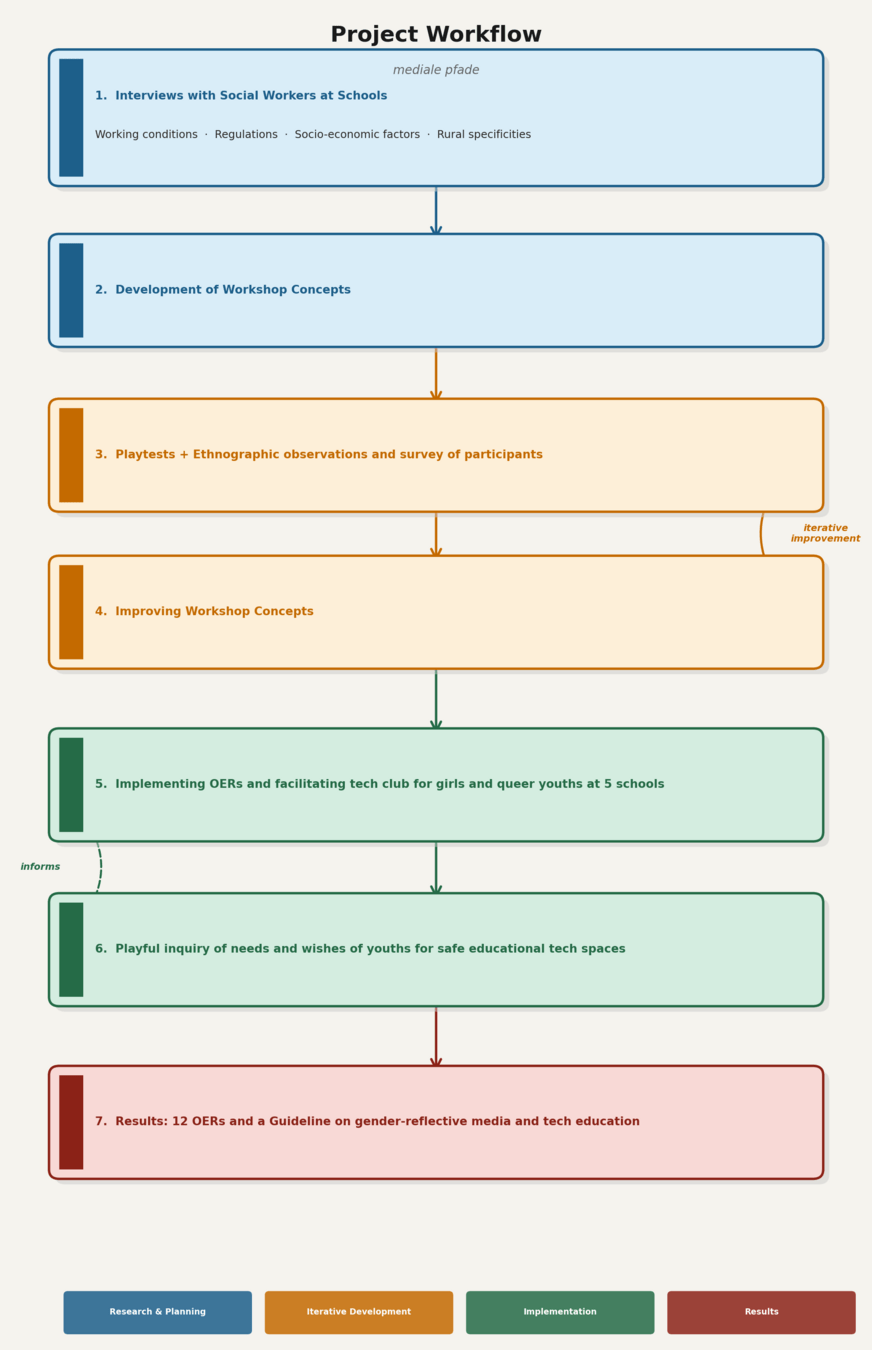
Gender-reflective media and tech education
-
Target group: social workers at schools, teachers, girls and queer youths in rural areas
-
Focus: safe educational spaces for media and tech education
-
Workshops & OERs & Academic guideline
Gender-reflective media and tech education
-
Target group: social workers at schools, teachers, girls and queer youths in rural areas
-
Focus: safe educational spaces for media and tech education
-
Workshops & OERs & Academic guideline
Gender-reflective media and tech education
-
Target group: social workers at schools, teachers, girls and queer youths in rural areas
-
Focus: safe educational spaces for media and tech education
-
Workshops & OERs & Academic guideline
Educational Recommendations
-
Non-Judgemental Space (instead of performance pressure)
-
Media Diversity and Competence Orientation (instead of one-size-fits-all and gender stereotypes)
-
Hands-On and Self-Efficacy (instead of theory)
-
Non-Discriminatory Space (Awareness and Code of Conduct)
-
Empowerment and Societal Reflection
Gender-reflective media and tech education
-
Target group: social workers at schools, teachers, girls and queer youths in rural areas
-
Focus: safe educational spaces for media and tech education
-
Workshops & OERs & Academic guideline
Educational Recommendations
-
Non-Judgemental Space (instead of performance pressure)
-
Media Diversity and Competence Orientation (instead of one-size-fits-all and gender stereotypes)
-
Hands-On and Self-Efficacy (instead of theory)
-
Non-Discriminatory Space (Awareness and Code of Conduct)
-
Empowerment and Societal Reflection
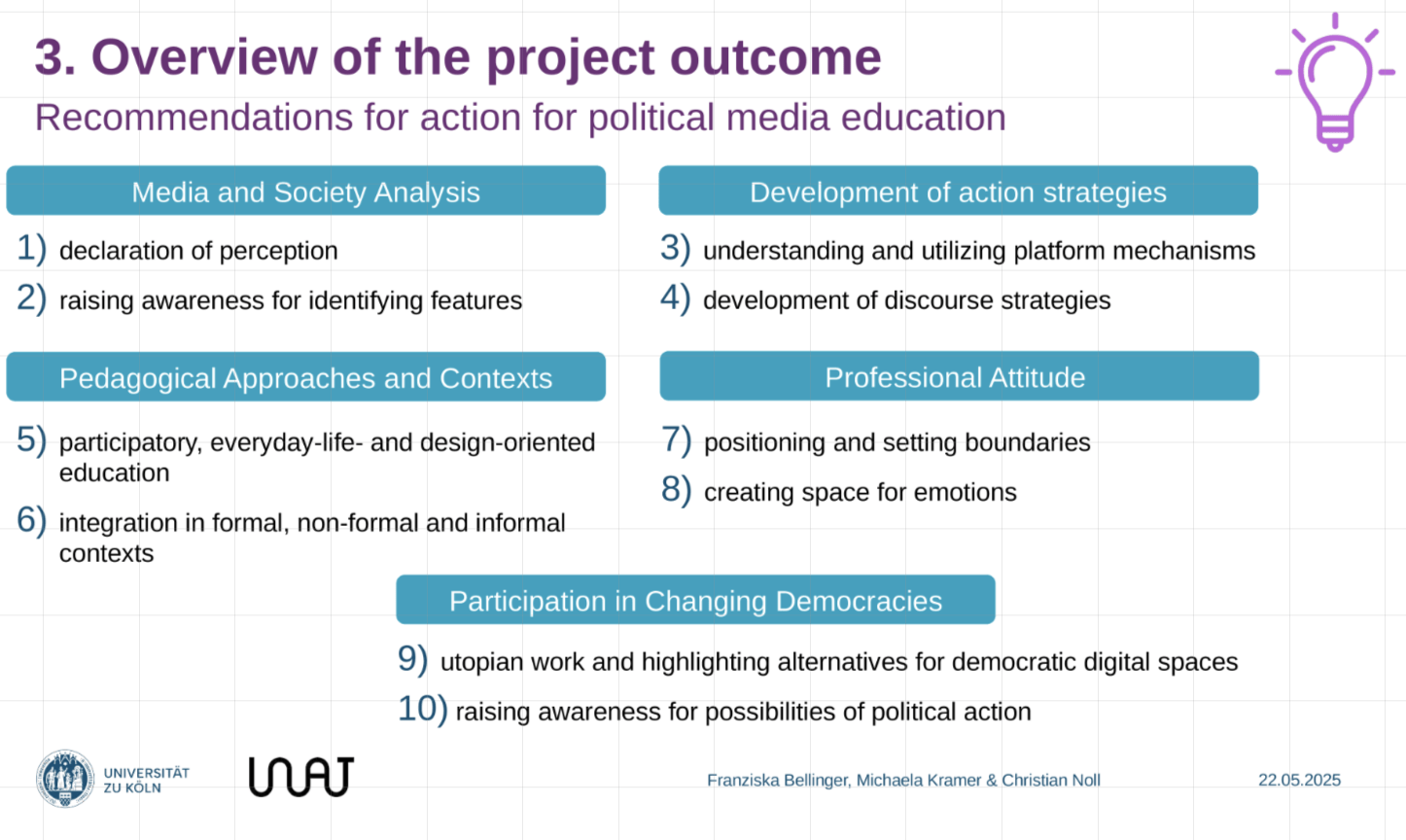
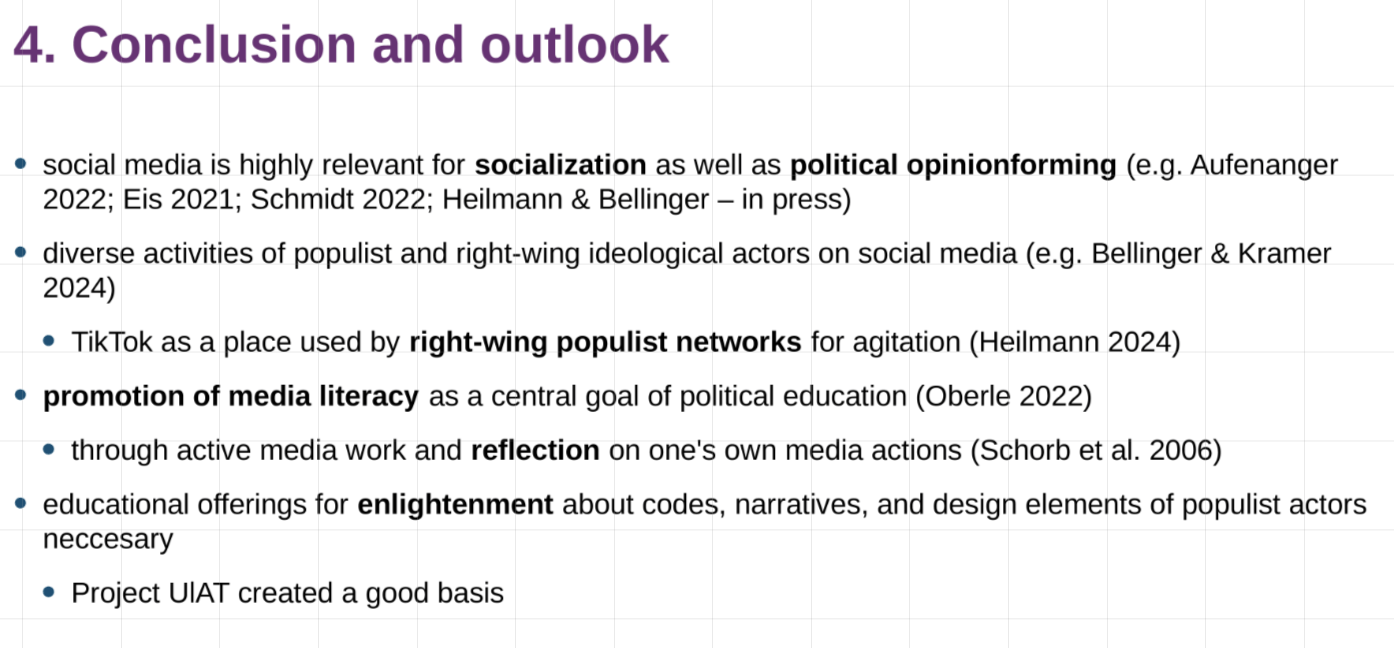
prevention of online radicalization
-
Target group: educators and young people starting age 14
-
Focus: safe educational spaces for media and tech education
-
Workshops & OERs & recommendations for action for (civic) media education)


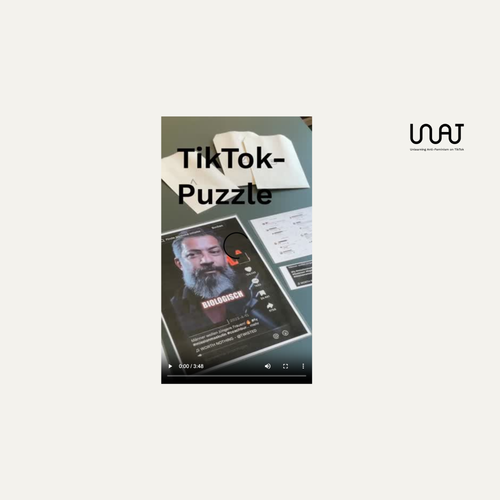
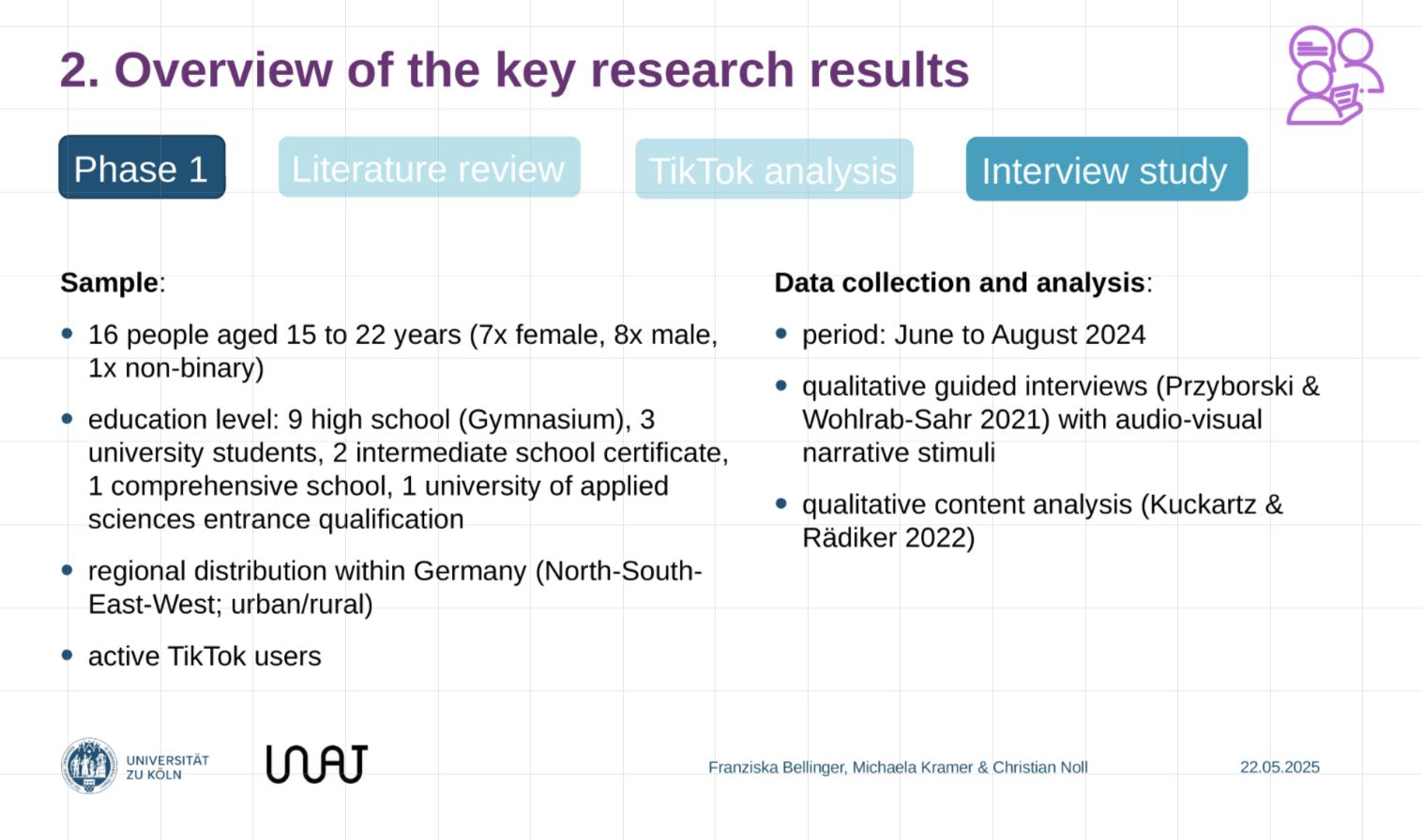
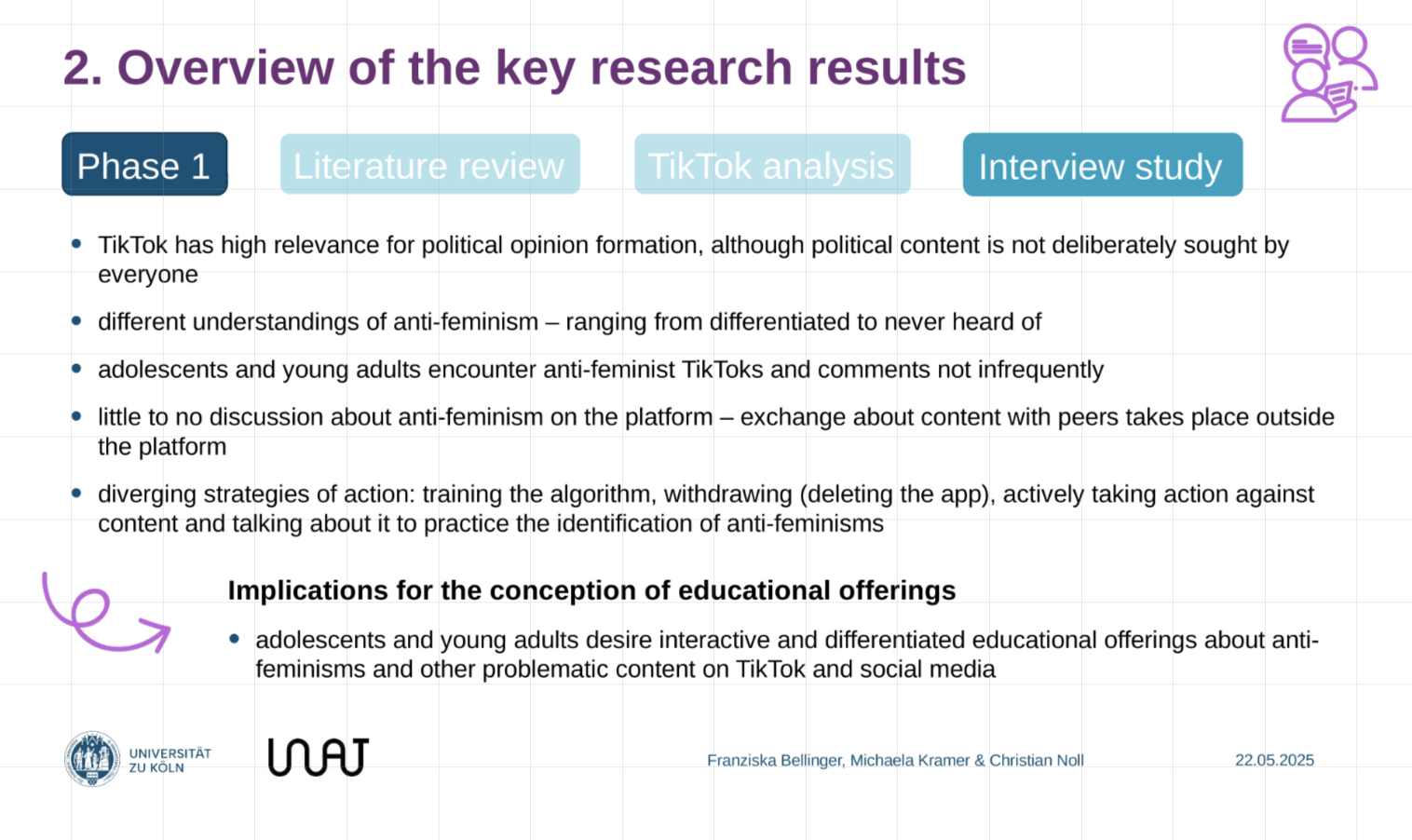
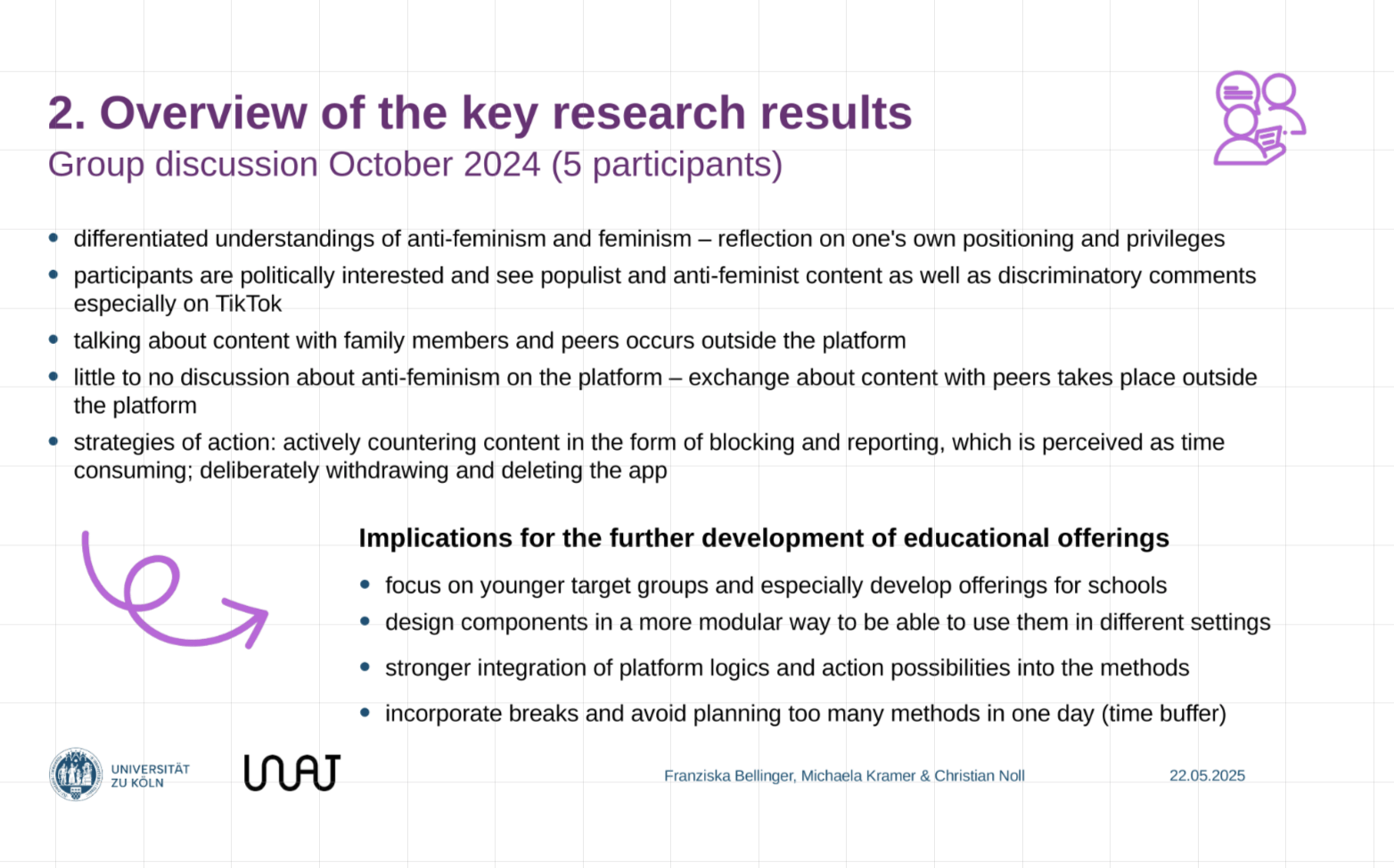
In what form do adolescents and young adults encounter antifeminism on TikTok?
How should prevention programs and educational materials be designed to strengthen the sovereignty and agency of adolescents and young adults regarding antifeminist content and discourses on TikTok?
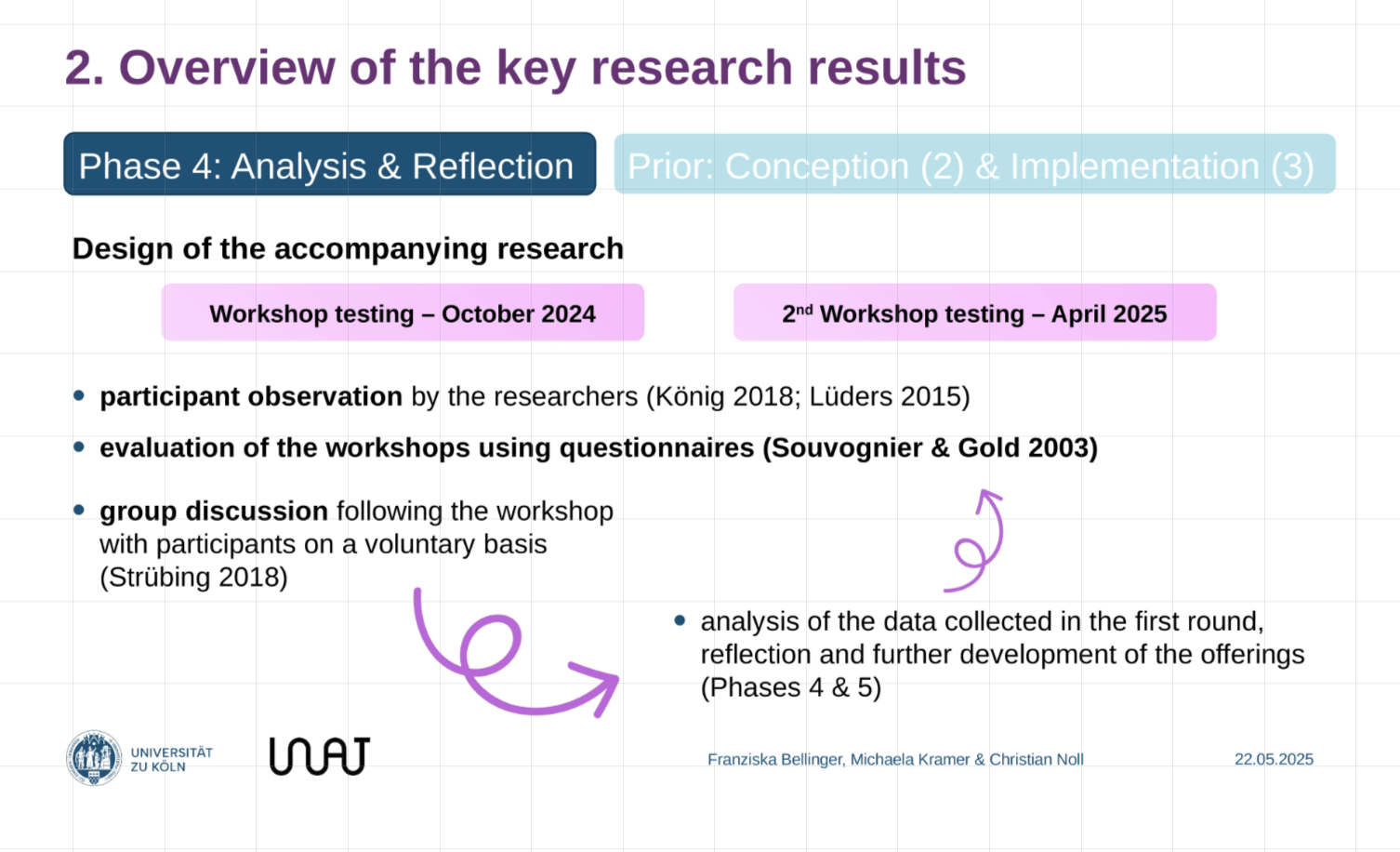
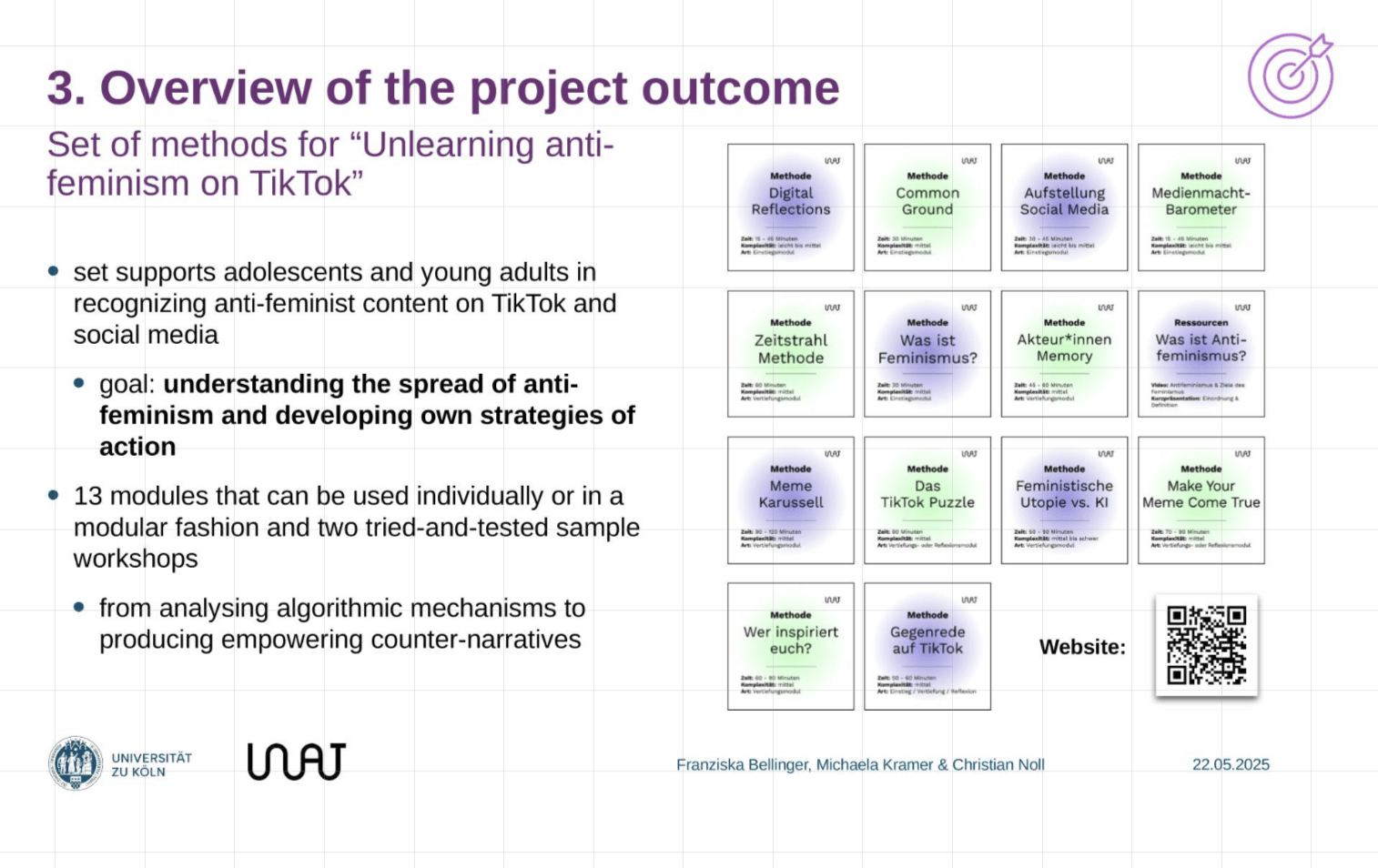
Research-based development and evaluation of preventive educational offerings,
–materials and recommendations for action (OER)
Design based research as research framework
(Bereiter 2002; Reinmann 2019)
Design-
Based-
Research
(DBR)
1. goal setting
2. concept and didactics
5. iteration
6. playtest of final workshop
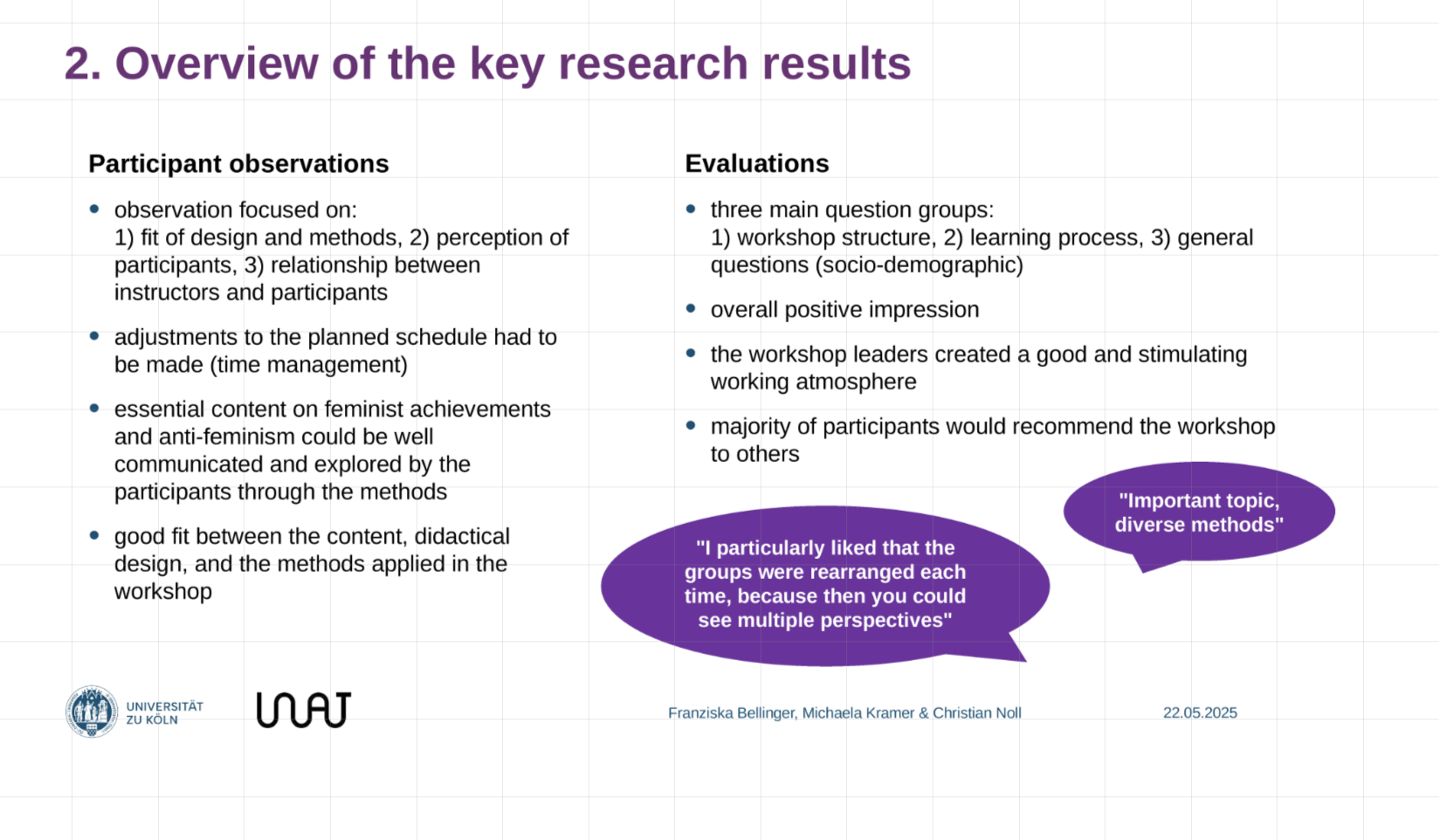
4. analysis and reflection
3. Playtest of workshop prototype
Contact us!
Contact us!





katrin.huenemoerder@medialepfade.org
alev.coban@medialepfade.org
Mediale pfade - Academic and practical collaboration - Jugend hackt 2 Go and ULAT (English version)
By mediale pfade
Mediale pfade - Academic and practical collaboration - Jugend hackt 2 Go and ULAT (English version)
Das ist unsere Organisation in 2025